Where to eat rice dishes and caldero in Guardamar del Segura
A practical guide to eating out in Guardamar: arroz a banda, caldero, restaurants by the beach, prices and bookings.
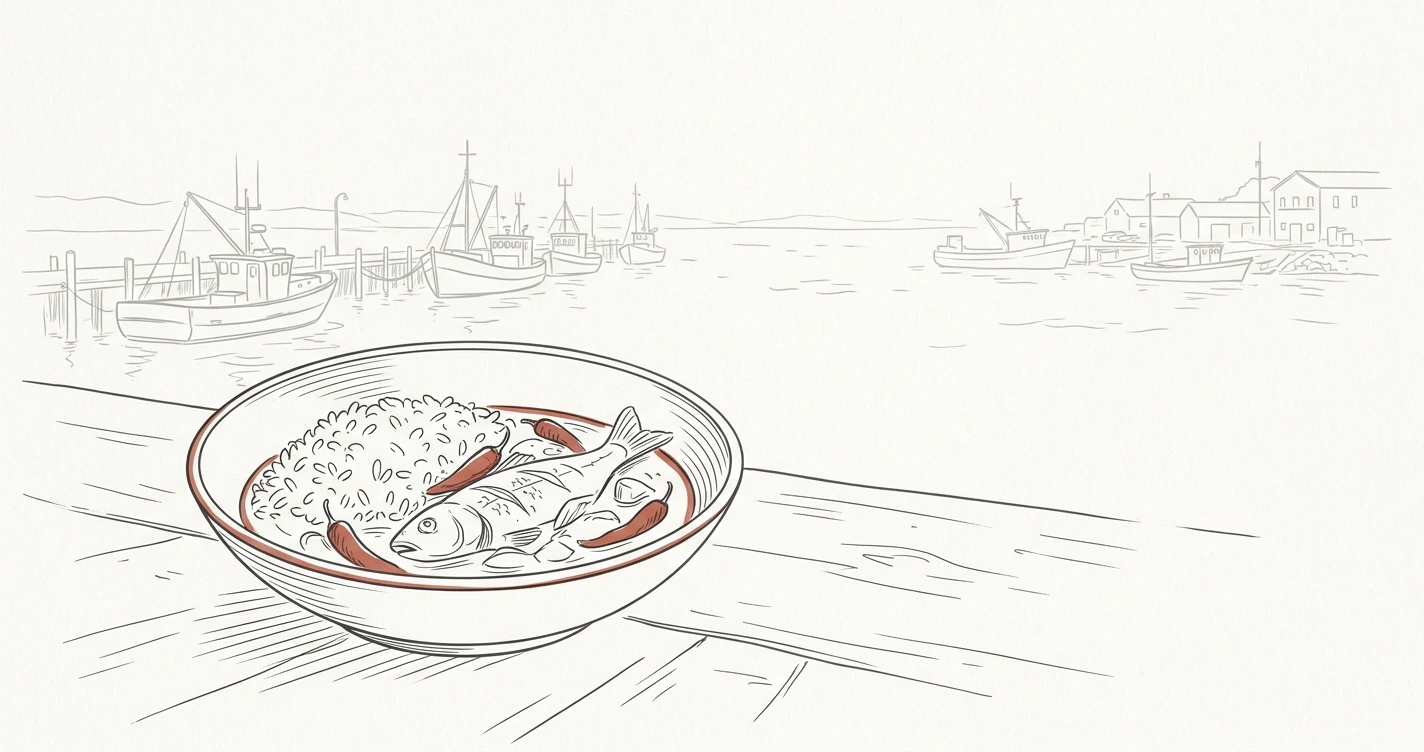
Guardamar del Segura has excellent seafood rice dishes in two main areas: the restaurants beside La Roqueta beach and those around the harbour. If you’re looking for somewhere to eat in Guardamar and want to try arroz a banda or caldero, you’ll find several options by the sand and in the town centre. Booking ahead is advisable at almost all of them.
This guide brings together the traditional dishes of the local seafood cuisine, the areas where restaurants are concentrated, the real difference between arroz a banda and caldero, indicative prices and the role of produce from the Vega Baja in local meals. The aim is to help residents and visitors choose with confidence.
The seafood dishes that define Guardamar’s cuisine
Guardamar’s cuisine centres on rice and seafood. Rice from the Valencian Community is based on three main varieties — Senia-Bahía, Bomba and Albufera — according to the Regulatory Council for the Protected Designation of Origin Arroz de Valencia, as cited on the Generalitat Valenciana’s Portal Agrari. These are the varieties used in rice dishes along the coast.
Two types of dish are found in Guardamar. First, dry and creamy rice dishes: arroz a banda, arroz del senyoret, seafood paella and lobster rice. Then there is caldero, a dish of Murcian origin that is popular throughout the Mar Menor and Vega Baja coastal area.
Fish from the local fish market is central to all of them. Prawns, mantis shrimp, cuttlefish, monkfish, grey mullet and rock fish are used in stocks and garnishes. Alioli is almost always served on the side, so each diner can add as much as they like.
These rice dishes are often accompanied by seasonal starters made with produce from nearby farmland. The proximity of the sea and the fields of the Vega Baja explains much of this cuisine’s identity.
What is the difference between arroz a banda and caldero?
Arroz a banda is cooked in fish stock and served on its own, while caldero combines rice and fish in the same pot. That is the basic distinction. Both have a seafood base, but they are served differently.
Arroz a banda originated as a fishermen’s dish on the Alicante coast. Its name means “rice on the side”: the rice is cooked in fish stock and served in the paella pan, while the fish used to flavour the stock is presented as a second course. Alioli brings the two parts together.
Caldero takes its name from the iron pot in which it is made. It contains ñora, a dried pepper that gives it a reddish colour and a hint of sweetness. The rice and fish, often grey mullet or gilt-head bream, are served in two courses: first the soupy rice, then the fish.
How to order each dish
If you order caldero, expect two courses and a creamier rice. Arroz a banda is drier, with a separate dish of boiled fish. In both cases, it’s worth asking about the minimum number of diners before taking a seat.
Arroz del senyoret is a useful option for anyone who doesn’t want to peel shellfish. Everything is peeled and cleaned, so you can eat it with a spoon without getting your hands messy. It is a common feature on local menus.
Where to eat beside La Roqueta beach
Guardamar’s seafront has a concentration of restaurants serving rice dishes right by the beach. Venues on Avinguda d’Europa and along the promenade beside Platja Centre and La Roqueta beach have sea-view terraces and serve rice at lunchtime, the natural time for these dishes.
Eating by the sea has a practical advantage: most of these restaurants cook rice to order, which takes 30 to 45 minutes. It’s therefore worth allowing plenty of time or booking ahead, especially at weekends.
The beach area is at its best in spring and summer, when the terraces are open and the atmosphere is lively. In winter, some of the restaurants move their focus indoors to the town centre, where dining rooms continue to serve rice dishes from the menu.
If you’re planning a meal on a terrace and want to check the weather first, La Gaceta de Guardamar’s weekly forecast for Guardamar del Segura is useful. A levante wind can change beach plans.
What the harbour area and town centre have to offer
The area around Guardamar’s marina and the streets of the town centre complete the dining scene. Restaurants here tend to open all year round and keep a steady range of rice dishes on their menus, with less reliance on the tourist season.
The harbour has restaurants serving fresh fish and seafood rice dishes, with the advantage of being close to the fish market. The town centre, around Plaza de la Constitución and the shopping streets, offers quieter dining rooms and prices that are somewhat lower than on the seafront.
This area is particularly appealing to residents looking for a rice dish during the week. Set lunch menus and rice dishes made to order are common, and booking by phone remains the surest way to secure a table.
To round off your visit, why not combine lunch with a walk in the natural surroundings? The guide to what to see in Guardamar del Segura — beaches, dunes and castle — can help you plan a full day out.
How much does a seafood rice dish cost in Guardamar?
As a general guide, arroz a banda or caldero costs between 15 and 25 euros per person at Guardamar’s beach and harbour restaurants. The price varies depending on the ingredients, the season and the type of restaurant, and usually includes the fish served with the rice.
Mid-range restaurants fall within a slightly broader price range of 18 to 30 euros per person. Destination restaurants using selected produce may charge more. It’s worth asking the price per person before ordering rice.
One common detail can affect your booking: almost all restaurants require a minimum of two diners to prepare a rice dish. Eating seafood rice alone is difficult in the area, except where set menus include an individual portion.
What the price usually includes
The per-person price of caldero or arroz a banda usually covers the rice, stock and accompanying fish. Alioli is included. Drinks, starters and desserts are charged separately, as they are from any menu.
For anyone budgeting for a food-focused day out, a rice dish, a drink and a vegetable starter per person provide a realistic guide to the cost. A rice meal is a lunchtime occasion, not a quick dinner.
How to book and when to go
Booking is almost essential for rice dishes because they are cooked to order and take time. Calling ahead helps avoid waits of up to 45 minutes and secures your chosen dish, as some varieties sell out on busy days.
Spring and summer weekends are the busiest. At these times, it’s worth booking one or two days ahead, especially for terraces with sea views. It’s quieter during the week, when a call on the same day is usually enough.
Rice is traditionally eaten at lunchtime, between 13:30 and 15:00. Many restaurants don’t serve rice dishes in the evening, or offer them only to order. Asking about rice-serving times when you book can help avoid surprises.
Residents who want to keep up with local restaurant openings, closures and news can follow La Gaceta de Guardamar’s coverage of Guardamar del Segura. Local reporting also includes the events calendar and daily services.
Which rice varieties go into the paella pan?
Much of the rice cooked in Guardamar comes from the Valencian agricultural region. The Protected Designation of Origin Arroz de Valencia covers 17,500 hectares of rice fields, according to the Regulatory Council cited by the Generalitat Valenciana’s Portal Agrari. This area helps supply rice to the region.
Production covered by the designation amounts to 110,000 tonnes of paddy rice, according to the same official source on the Portal Agrari. This makes the Valencian Community one of Spain’s major rice-growing areas and helps explain why quality rice is readily available on the Alicante coast.
The variety matters to diners. Senia-Bahía and Bomba absorb stock well without becoming overcooked, making them ideal for arroz a banda and caldero. Albufera, a more recently developed variety, is used for creamy rice dishes. Asking which variety is used is a good sign of interest in what’s on your plate.
What the Vega Baja’s farmland brings to the table
The Vega Baja’s farmland supplies the vegetables and seasonings that accompany Guardamar’s seafood cuisine. The district is one of Spain’s most productive horticultural areas, with artichokes from the Vega Baja del Segura — protected by a Protected Geographical Indication — as its flagship winter produce.
Ñora deserves a special mention. This dried pepper, grown in the area, gives caldero its colour and flavour. Mar Menor caldero is unthinkable without ñora, and nearby cultivation ensures fresh produce every season.
The Vega Baja’s citrus fruits, broccoli, broad beans and tomatoes are also part of the mix. Many local restaurants include these ingredients in their starters, bringing produce from the sea and the land together in the same meal.
Vegetable starters to go with your rice
Before the rice, you’ll often find grilled artichokes, seasonal salads and vegetables from nearby farmland. These starters make the meal lighter and showcase local produce, which several restaurants highlight on their menus.
The weekly market is another way to discover local produce first-hand. Before heading out to shop or eat, you can check the day, opening hours and what to find at Guardamar’s street market.
Which fish from the local market goes into these rice dishes?
Locally caught fish makes the difference in arroz a banda and caldero. Nearby fish markets, with Santa Pola and Guardamar among the main reference points, make it possible to work with the day’s catch. That freshness is what gives the stock its flavour.
Arroz a banda stock uses rock fish and less commercially valuable catches: mixed small fish, scorpionfish, weever fish and mantis shrimp. These species fetch little on the market but add plenty of flavour to the pot — a reminder of the dish’s humble origins. Fishermen sold the best catch and cooked the rest.
Mar Menor caldero often uses grey mullet, gilt-head bream and sea bass, larger fish that hold up well when served in two courses. Ñora and garlic round off a reddish stock with an intense flavour.
Shellfish completes the choice of paellas and arroz del senyoret. Prawns, langoustines, mussels and clams add colour and aroma. When in season, local prawns are a draw that several restaurants advertise on their menu boards.
Why it’s worth asking about the day’s catch
Asking the waiter what came in from the fish market that morning is a useful habit. Fish rice dishes depend on the catch, and a daily recommendation usually means the ingredients are at their best. Asking helps diners eat well and pay a fair price.
This matters more outside the main season, when there is less shellfish available. In winter, grey mullet caldero or arroz a banda made with mixed small fish can be tastier than an out-of-season seafood paella.
Fitting a rice meal around the local calendar
Guardamar’s events and calendar affect demand for tables. On special dates, such as Mig Any or the patron saint festivities, restaurants fill up and booking becomes essential. Planning a meal around the local calendar helps avoid being left without a table.
Summer brings the biggest crowds, with the beach driving restaurant trade. In July and August, it’s best to book several days ahead at seafront restaurants. The influx of tourists and foreign residents on the Costa Blanca puts pressure on available tables during these months.
Spring and autumn offer a comfortable balance. The weather is suitable for terrace dining, booking is less competitive and seasonal produce — with artichokes taking centre stage in winter and spring — goes well with rice dishes.
Combining a meal with a cultural or sporting event is a popular plan among residents. After a match or a morning at the market, a lunchtime rice dish is a satisfying end to the outing. The key is still the same: book before leaving home.
Options for families, groups and special diets
Guardamar’s rice dishes work well for families and larger groups. Paella and arroz del senyoret are served in a pan to share, making them convenient for larger meals. At a bigger table, the minimum of two diners is no longer an issue.
Groups should give the restaurant their numbers when booking and confirm which rice dish they want. Many venues make large paellas to order, usually with about a day’s notice. Ordering ahead secures the dish and avoids waiting.
Special diets require a little advance checking. Rice is naturally gluten-free, but alioli, fried starters and stock may contain allergens. Asking about the ingredients in the fish stock and alioli is the safest option for diners with coeliac disease or food intolerances.
Children and diners who prefer less seafood
Arroz del senyoret is a good choice for young children and anyone who doesn’t want to peel shellfish, as everything is served ready to eat. For diners who prefer less seafood, mixed paella or rice with vegetables from the local farmland are reasonable alternatives on the same menu.
Eating rice with the family is deeply rooted in local culture. A long lunchtime meal, with rice at its centre, is part of the Mediterranean way of life
This is an automatic translation of an article originally published in Spanish by La Gaceta de Guardamar. If in doubt, the Spanish version prevails. Read the original · More news in English