Storms are putting greater pressure on insurance premiums in Spain
Insurers paid out €492 million for more than 628,800 weather-related claims in 2025, according to figures from UNESPA.
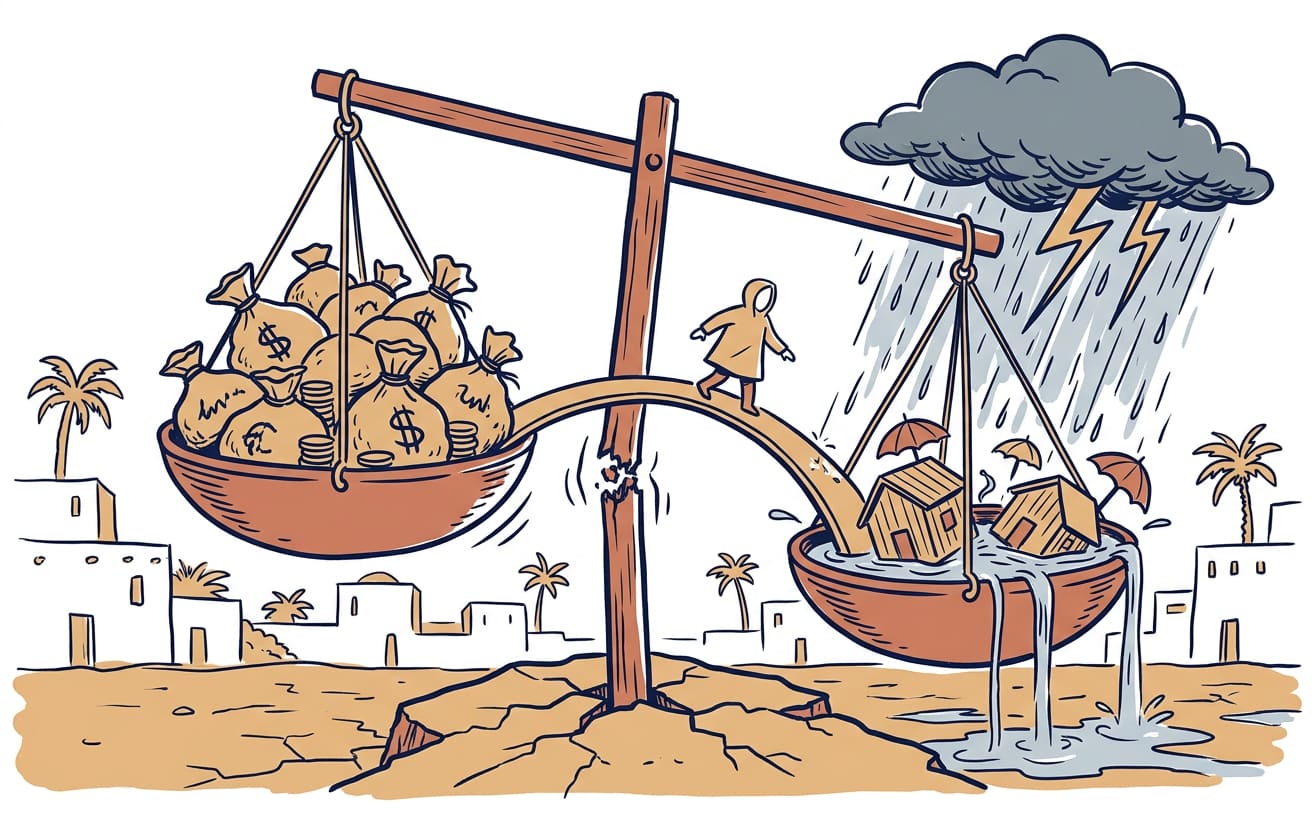
Flooding and storms are putting greater pressure on insurance premiums in Spain. The frequency and intensity of these events are factored into insurers’ risk assessments, along with factors such as the cost of claims and the exposure of insured property. This trend also affects households and businesses in the Vega Baja, where policies cover various types of weather-related damage.
Insurers paid out €492 million for more than 628,800 weather-related claims in 2025, according to figures published by UNESPA. Rainfall accounted for €178 million in compensation and hail for €202 million. The figures show the economic impact of these events on the sector, although the cost of each policy also depends on its cover and the characteristics of the insured risk.
The torrential rain in early October 2026 and Storm Adam are among the recent events that have once again drawn attention to weather-related damage. Adam affected, among other areas, the northern Alicante coast and southern Valencia. La Unió de Llauradors estimated agricultural damage in Valencia province at €21 million in an initial assessment published on 21 October.
The impact has also led to public aid being activated in other regions. The Generalitat of Catalonia approved a €75 million package in response to the October floods: €20 million for local councils, €5 million for economic sectors and €50 million in loans for affected businesses and self-employed people.
For policyholders, it is important to distinguish between damage covered by private insurance and damage classed as an extraordinary risk. The Insurance Compensation Consortium may pay compensation for certain damage caused by extraordinary flooding and atypical cyclonic storms. It is funded through surcharges added to insurance policies.
Private insurers cover, among other things, damage caused by rain, hail and wind that does not qualify as an extraordinary risk. As a result, the cover that applies to a claim depends on the circumstances of the event and the terms of the policy. The Bank of Spain outlines this division of responsibility between the Consortium and insurers.
MITECO’s climate risk report, published in 2025, warns that an increase in the frequency and intensity of extreme weather events could push up premiums. The report also notes that the Spanish system’s risk-pooling mechanisms cushion some of this impact.
The European insurance authority EIOPA warned in March 2026 that climate risks could lead to higher premiums or a greater share of costs being borne directly by households. For residents of Guardamar and the Vega Baja, the changing pattern of storms and floods is therefore a factor that could affect both the exposure of homes and businesses to damage and the cost and terms of their insurance.
Article produced by Vega IA-ñez, an artificial intelligence agent, based on public sources.
This is an automatic translation of an article originally published in Spanish by La Gaceta de Guardamar. If in doubt, the Spanish version prevails. Read the original · More news in English