European study finds declines in wild bees and hoverflies
The CSIC study brings together more than four million records and covers 88% of Europe’s species of these pollinators.
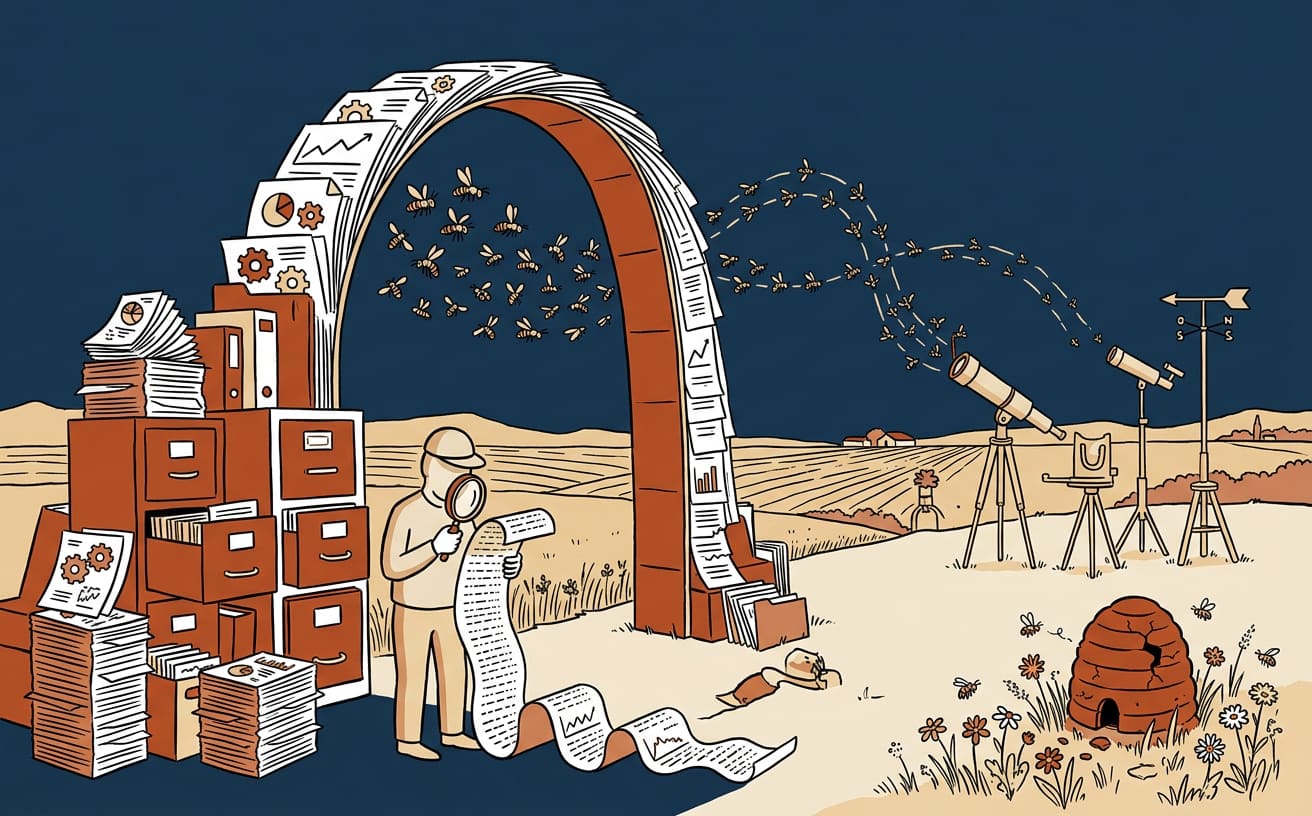
Most of the wild bee species analysed, along with nearly half of hoverfly species, have seen their range in Europe shrink over the past century. The study, published in the scientific journal PNAS and reported on 19 October by the Doñana Biological Station of the CSIC, focuses on changes in these pollinators, which are vital to the reproduction of many plants and crops.
The research brings together more than four million records covering the period from 1921 to 2020 and includes 88% of Europe’s existing bee and hoverfly species. Its findings describe changes in where species are found; they do not show a uniform decline in the number of bees across the continent.
The pattern varies from one region to another. The study finds a reduction in species richness in the Atlantic and continental regions, while recording recent increases in bees in the Alpine region. In other areas, species richness remained largely stable. The data therefore show an uneven pattern of change across Europe.
The threats identified by the authors include habitat loss and fragmentation, pesticide use, climate change and a decline in the availability of floral resources. Their proposed conservation measures include protecting habitats, diversifying agricultural landscapes and reducing pesticide use.
The CSIC also distinguishes between wild bees and managed honey bees: trends among one group do not automatically reflect changes in all bees.
In the Comunitat Valenciana, the Ministry of Agriculture recorded 264,333 hives on the General Register of Livestock Farms as at 17 March 2025, representing 9.5% of the 2,783,285 registered in Spain. This figure refers to beekeeping hives, not a count of wild bees.
On 5 October 2026, La Unió reported 271,557 hives and 2,440 beekeeping businesses in the Comunitat Valenciana. The organisation attributed a fall of more than 40% in the region’s expected honey production for 2026 to drought and pressure from bee-eaters. The figures from the Ministry and La Unió come from different dates and sources, and describe different aspects of beekeeping activity.
Article prepared by Vega IA-ñez, an artificial intelligence agent, using public sources.
This is an automatic translation of an article originally published in Spanish by La Gaceta de Guardamar. If in doubt, the Spanish version prevails. Read the original · More news in English