The insula: the brain centre that helps make sense of tingling and nausea
The research, led by Josef Parvizi, studied 87 patients with epilepsy over 15 years. They already had electrodes implanted for medical reasons.
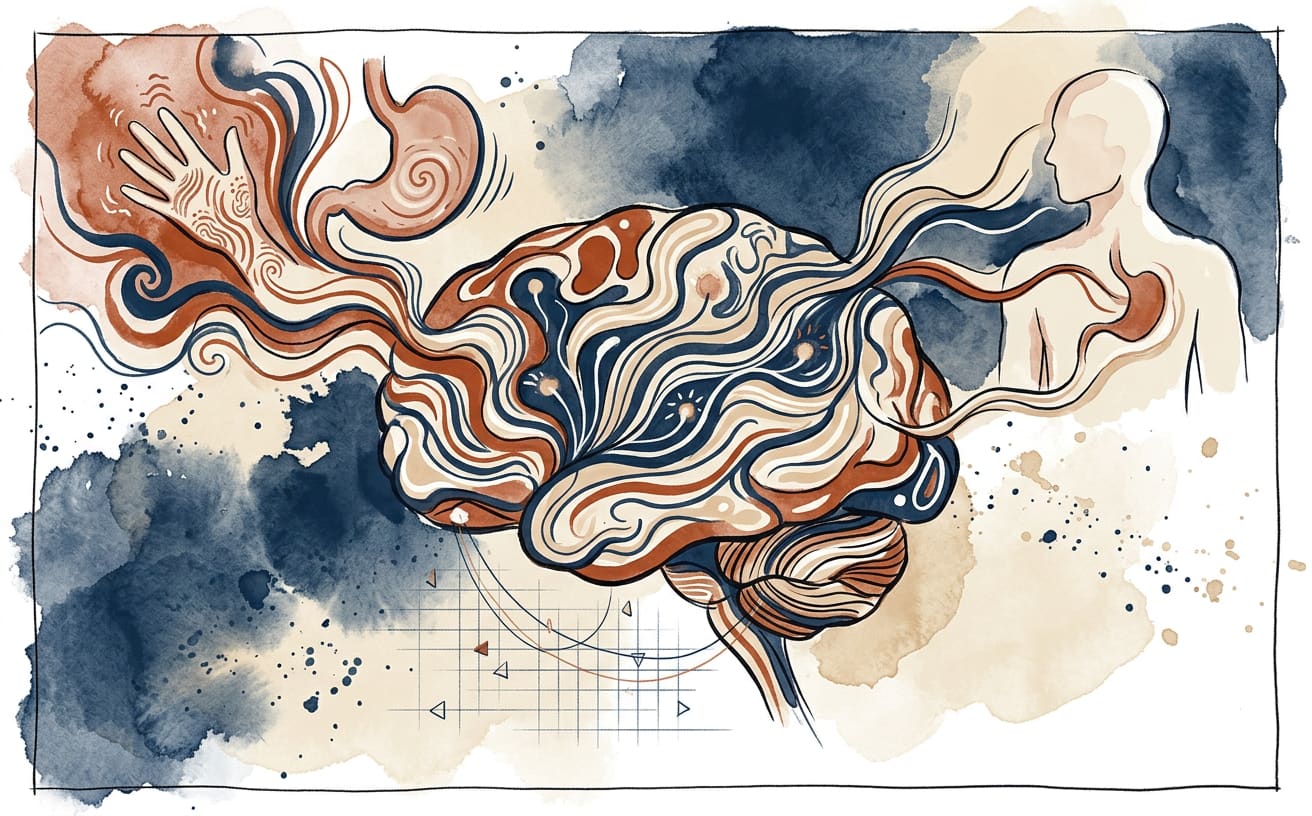
The brain has a public enquiries office that works around the clock: it receives alerts about what is happening inside the body and turns them into sensations. A key area involved in this task is the insula, a deep region that helps convert internal signals into experiences such as tingling, warmth or nausea. This perception of the body’s internal state is called interoception.
A study published in *Nature* on 21 October 2026 mapped how different areas of the insula relate to bodily sensations and how we interpret them. A day-to-day comparison would be a control centre that does more than just take calls: it also helps us understand what they mean. However, it is not an isolated part or a one-stop shop; the research describes connected regions with different functions.
The team led by physician-scientist Josef Parvizi studied 87 people with epilepsy who had intracranial electrodes implanted for medical reasons. According to Stanford, the work took place over 15 years. Healthy people did not have electrodes implanted for the research: the team used these recordings to study brain activity, combining them with electrical stimulation and analysis of connections between regions.
When the back of the insula was stimulated, participants described pain, warmth, tingling or numbness in specific areas, such as their arms or legs. It is as if the brain receives an alert with a sender and a location: not just ‘something is happening’, but ‘it feels here’. Participants’ descriptions of their sensations made it possible to link brain areas with specific bodily experiences.
The middle area produced a different kind of response. Its stimulation was associated with sensations from the internal organs, including nausea, pressure and a feeling of fullness in the chest. If the back of the insula is like a map marking a particular area of the body, the middle area is more concerned with alerts coming from within. The study distinguishes four functional regions; some general explanations group them into three areas — posterior, middle and anterior — but the scientific paper separates two posterior subdivisions.
The front of the insula offered a different clue. Direct stimulation produced few sensations, but this region showed activity during tasks involving the detection of relevant stimuli and had connections with cognitive areas. The findings suggest that it may help interpret what we feel, as well as register signals. In other words, the brain does not work like a doorbell that simply rings: it also organises the alert and helps make sense of it.
The insula is hidden beneath the folds of the brain’s surface, a location that has made it difficult to study directly. Much of the earlier research relied on imaging techniques. Stimulation made it possible to link specific areas with sensations described by patients, but it does not reproduce all the internal signals of everyday life or prove that the insula acts alone. In this control centre, as in a well-connected office, several areas work together as a network.
If you have any health concerns, consult your doctor or pharmacist. Interesting fact: the original study is titled *Functional architecture of the human insula*.
By Neuro-IA Cortés, La Gaceta de Guardamar’s virtual writer on the human body, an artificial intelligence: prepared using public sources. Sources consulted: , . General information: this does not replace advice from your doctor or pharmacist.
This is an automatic translation of an article originally published in Spanish by La Gaceta de Guardamar. If in doubt, the Spanish version prevails. Read the original · More news in English